
Mould Survey Near Me
JHE offer a service of diagnosing the causes of damp and mould, combining a full diagnostic process with a plan for remedial action, along with a programme to eradicate the mould problem. Insurers, homeowners, landlords and tenants can all benefit from the comprehensive service offered across the UK.
Mould is classed as a category (1) risk to health, as assessed under the Housing Health and Safety Rating System 2000, which is the same class as asbestos. The Environmental Protection Act (1990) classifies mould as a statutory nuisance that must be treated.
JHE has a proven tried and tested process when considering Damp and Mould issues in any property
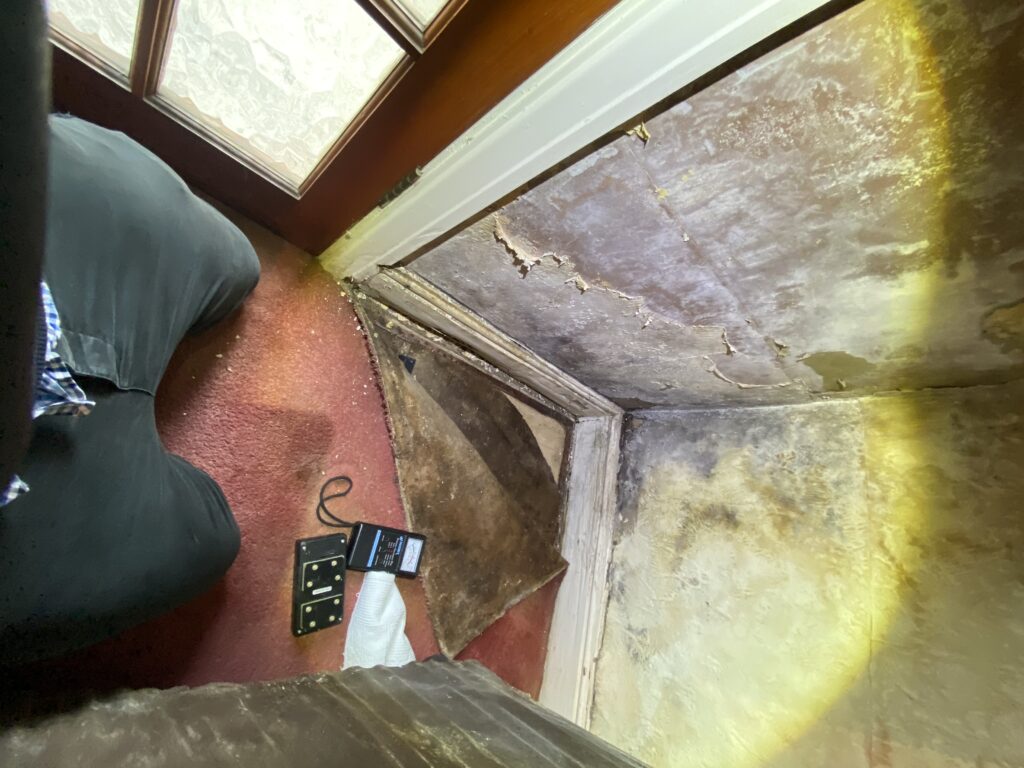
What happens in a Mould Survey?
The Survey
A member of JHE’s experienced technical team will carry out a comprehensive survey of the property to identify possible causes of damp penetration and mould growth inside the property and recommend the necessary remedial actions required,
It is also important to highlight that we are totally independent of any contractors so will only ever give you honest and unbiased feedback on our findings and practical advice to resolve any problems that will make a difference.
The survey is non-destructive in nature and is carried out using a variety of non-intrusive/non-destructive instruments (where possible). It is comprehensive and as we endeavour to check all relevant areas of the property in order to trace the source/cause which can take between 1 and 3 hours. in some situations, we may need to drill a 10mm hole to the external or internal surface in order to gain further data which may help with the diagnosis but permission will need to be granted by the homeowner first.
-
-
- Moulds are more prevalent if there is:
- Lack of air circulation
- Dampness
- Darkness
-
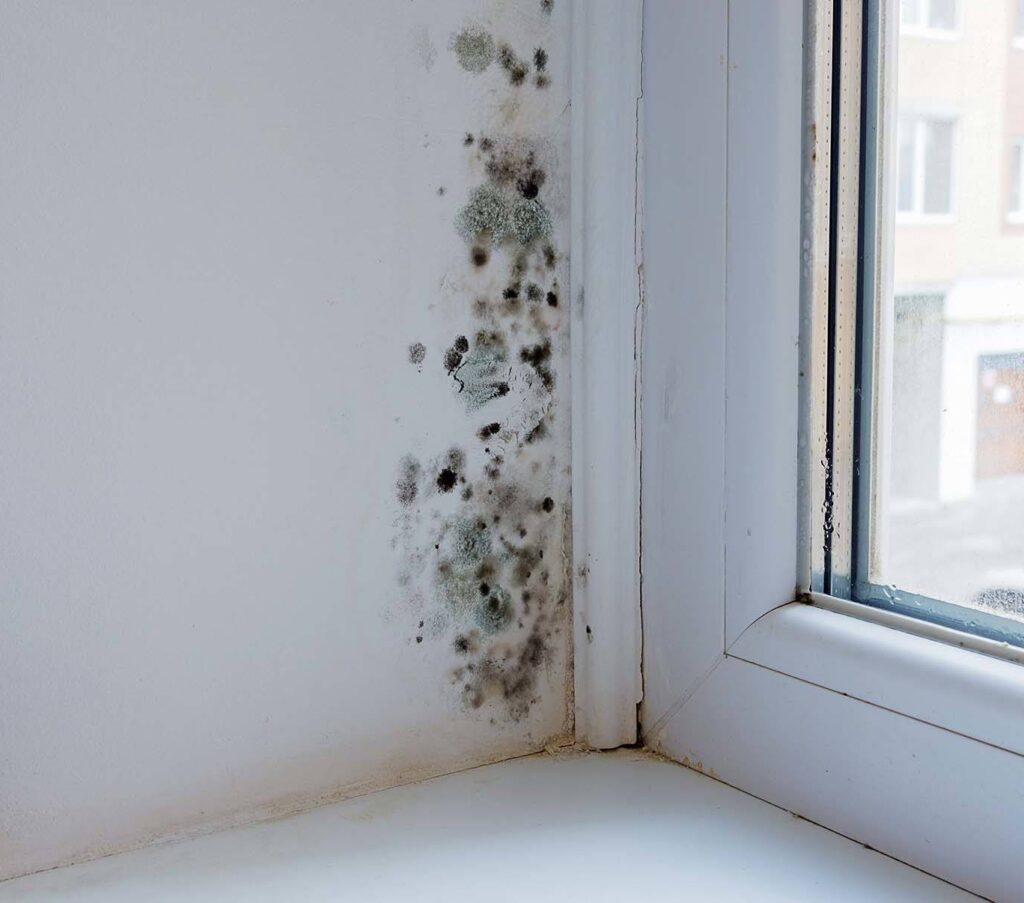
Common causes of Mould
Warm Air
Warm air can retain more water as vapour than cold air, and the proportion of water that is actually present to what could potentially be retained at any given temperature is known as the ‘relative humidity’.
Surface condensation is the result of moisture laden air coming into contact with a suitably cold surface, it is also is the most common cause of mould growth in the UK.
Requirements for mould growth on a particular surface/material appear to depend on : water activity (hygoscopicity), however many moulds found in properties do not require surface condensation for their development.
It is also important to note that long term maintenance of high humidity (in excess of 75% relative humidity), without condensation, will also cause moulds to develop in stagnant areas especially on ‘moisture sensitive materials’, such as leather, some clothes and paper etc.
There are over 100,000 species of mould worldwide. Less than 100 are commonly reported in UK properties, the most common being Penicillium and Cladosporium.
Stachybotrys chartarum (atra), a so called ‘toxic mould’, is uncommon but not rare in the uk.
Which species of mould grows where depends on a number of factors including the humidity and the particular substrate. Also the colour of the mould will depend on the particular species as not all moulds are black.
Primary and secondary colonising moulds only require relative humidity maintained in excess of 75% to develop on certain ‘moisture sensitive materials’.
Simple food requirements
Like wood rotting fungi, they produce vast numbers of spores. They can grow quickly under suitable conditions. Moulds have the same requirement for growth and survival as rots.
They require:
- Oxygen
- Suitable temperature
- Nutrients
- Moisture (condensation/humidity) This is effectively the only controllable factor.
Some fungi produce toxic substances called mycotoxins, these are secondary metabolites: present in fungal spores (and hyphae)
Moulds produce a large number of volatile organic compounds-this gives the typical ‘mouldy’ odour.
There are 4 species of moulds that are considered to be ‘toxic mould’ (this is not a scientific description): –
-
-
- Stachybotrys chartarum
- Pencillium
- Aspergillus
- Fusarius
-
FUNGI-Life Cycle
-
-
- Spore
- Germination
- Hyphae
- Mycelium/fruiting
- Colonisation
- Sporulation
-
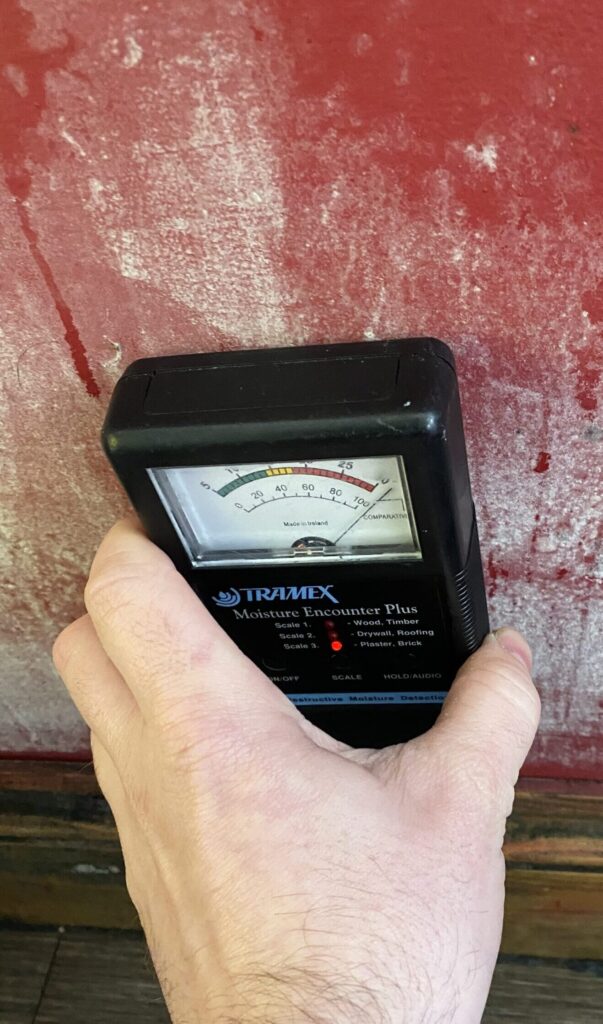
We have also put together this useful guide to mould and what to look for.
For more information or to make a booking, click here
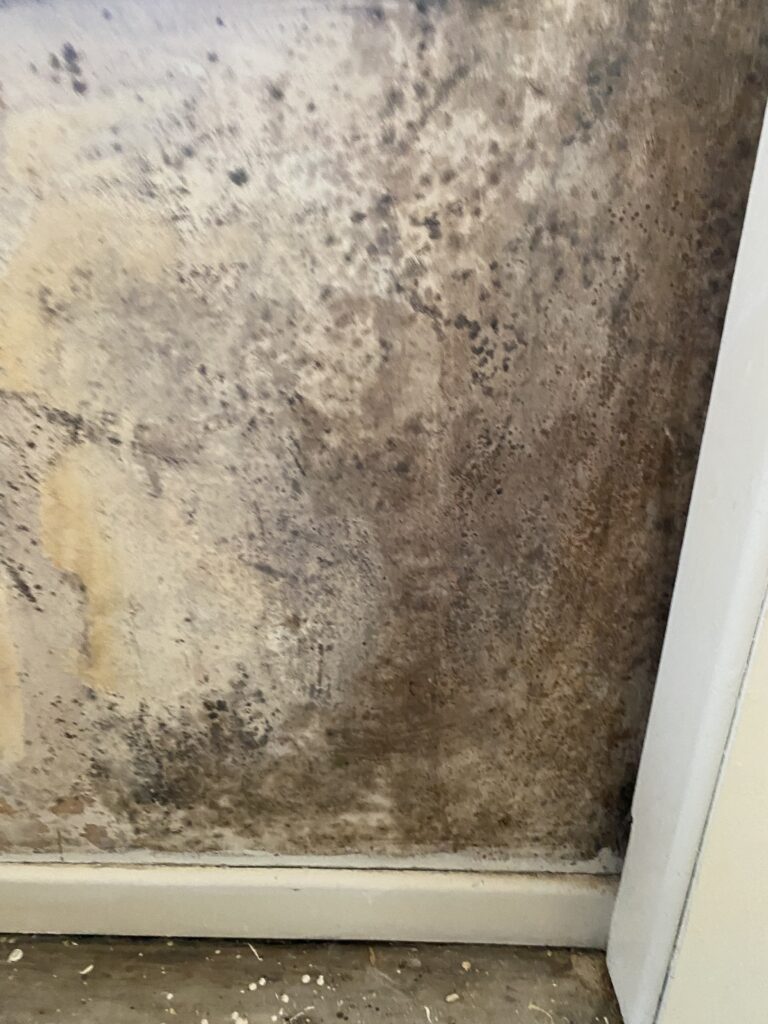
If you are worried about mould & condensation or would like a Mould Survey please fill out the form below:
Get in Touch:
Don’t wait for damp, mould, or condensation to take hold of your property. Contact JHE Environmental today for professional advice, detailed surveys, and effective solutions. Our team is here to help you create a healthier, safer space for your family or colleagues.