
Specialist Drying Services
Drying Services Using Only the Best Equipment Available.
JHE offer a specialist target drying service of diagnosing the causes of damp and mould, combining a full diagnostic process with a plan for remedial action, along with a programme to eradicate the mould problem. Insurers, homeowners, landlords and tenants can all benefit from the comprehensive service offered across the UK.
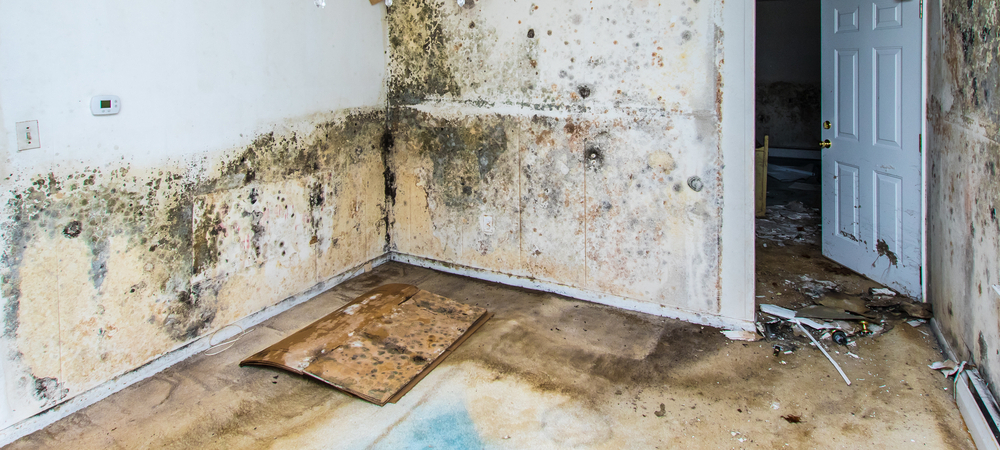
Mould is classed as a category (1) risk to health, as assessed under the Housing Health and Safety Rating System 2000, which is the same class as asbestos. The Environmental Protection Act (1990) classifies mould as a statutory nuisance that must be treated.
JHE has a proven tried and tested process when considering Damp and Mould issues in any property
What do we dry?
- Water Damaged Walls
- Concrete floor drying
- Floor voids
- Cavity void and wall insulation
- Tiled floors
- Behind wall units and panelling
We can even dry – Boats, Cars, Vans, Trucks and Caravans!
When dealing with water leak and flood-damaged or damp walls, it is crucial to address the underlying issues that contribute to dampness, mould, and condensation. Common culprits include leaking plumbing, clogged gutters, or water intrusion from flooding events. To effectively target and mitigate these problems, it’s important to implement a comprehensive drying strategy that may involve professional water extraction and dehumidification. By ensuring that moisture is thoroughly removed and properly managed, homeowners, Tenants and businesses can protect their properties from the detrimental effects of dampness and maintain a safe, healthy living environment. For more information or to discuss your specific situation, don’t hesitate to get in touch with us
Target Drying
To speed up the drying process, a limited surface where the damage occurred can be wrapped in plastic. The dehumidifier blows dry air in under the plastic sheet and creates an air cushion with a very dry climate concentrated on the water-damaged area. In this way, the transport of moisture from wet to dry is increased, and the damage dries faster.

If you need to shorten the drying time, the temperature of the air used for drying can be increased. The warmer the material to be dried is, the more efficient and quicker the drying process will be, as the vapour pressure in the wet material increases. An increase as small as 10°C can halve the drying time* in some cases the combination of plastic enclosure and heat is a very efficient method for drying moisture-retaining material such as concrete.
At JHE, we understand the urgency of addressing water damage, especially when it impacts critical areas like behind kitchen cupboards and under showers. After experiencing a leak, it’s essential to act promptly to prevent further complications such as mould growth and structural deterioration. Our professional team specialises in comprehensive dry-out services that will effectively restore moisture levels to ensure your space is safe and free from hidden hazards. Trust us to provide efficient and thorough specialist drying services tailored to your needs.
Air Drying Rooms or a Whole Property
When addressing the challenge of air drying a room with high humidity, it is essential to implement a systematic approach that ensures efficiency and effectiveness. By using dehumidifiers we can significantly lower humidity levels as they draw excess moisture from the air. For larger spaces, we also use portable air movers that circulate air and speed up evaporation.
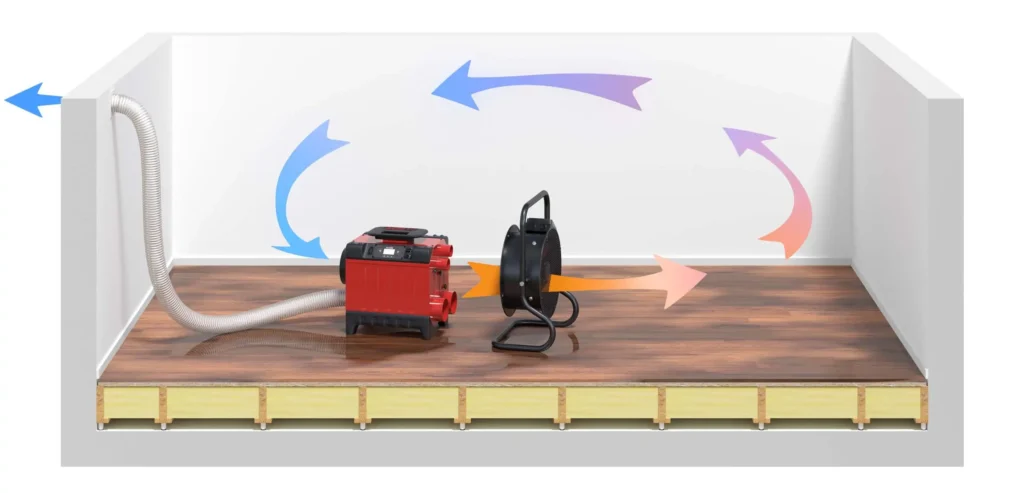
By employing these professional techniques, we can achieve a drier, healthier environment, effectively combating the issues associated with high humidity such as mould and condensation.
How Do We Do It?
Once the environment has been assessed the correct size and type of dehumidifier is placed in a room where the damage occurred. The dehumidifier blows dry air into the whole room, which dries all the surfaces, To increase the airflow and speed of the drying process, an airmover will also be used.
Subfloor Void and Timber Drying
One of the most effective ways of drying insulation in floor joists or a framed construction is to use a low-pressure fan and dehumidifier in combination. This combination makes it possible to route large quantities of dry air through the framed building construction and, for this reason, it is very suitable for drying floor joists, walls, floors and other cavities.
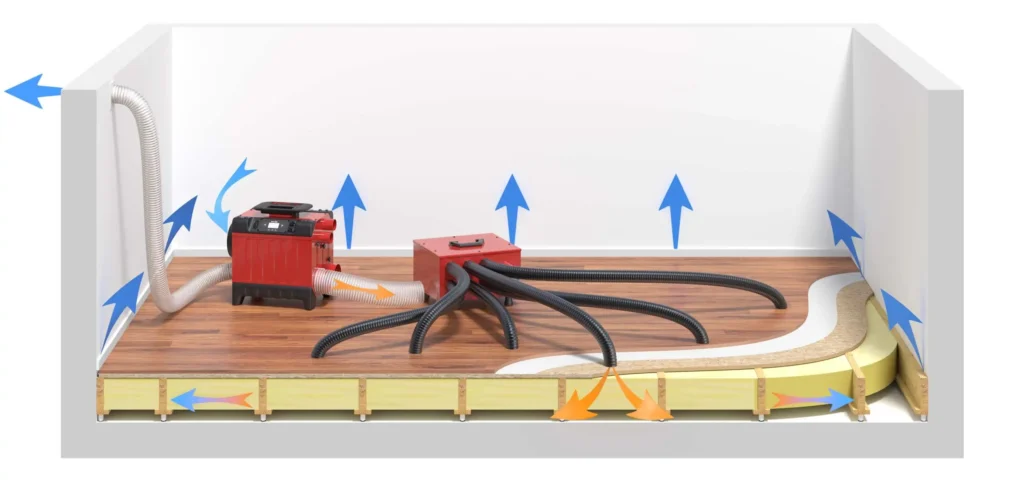
Suction Drying Floors And Walls
Suction drying is an effective and simple method for drying layered constructions. Suction drying should always be used as a first stage when drying floors on concrete slabs, where the water has leaked down into the fill or insulation under the floating floor. We use Corroventa, which has a number of products that are used for drying layered constructions such as walls, ceilings and floating floors. From flexible system solutions with dehumidifiers and turbines to the patented Combi series that offers the possibility of both pressure and suction drying in the same machine.
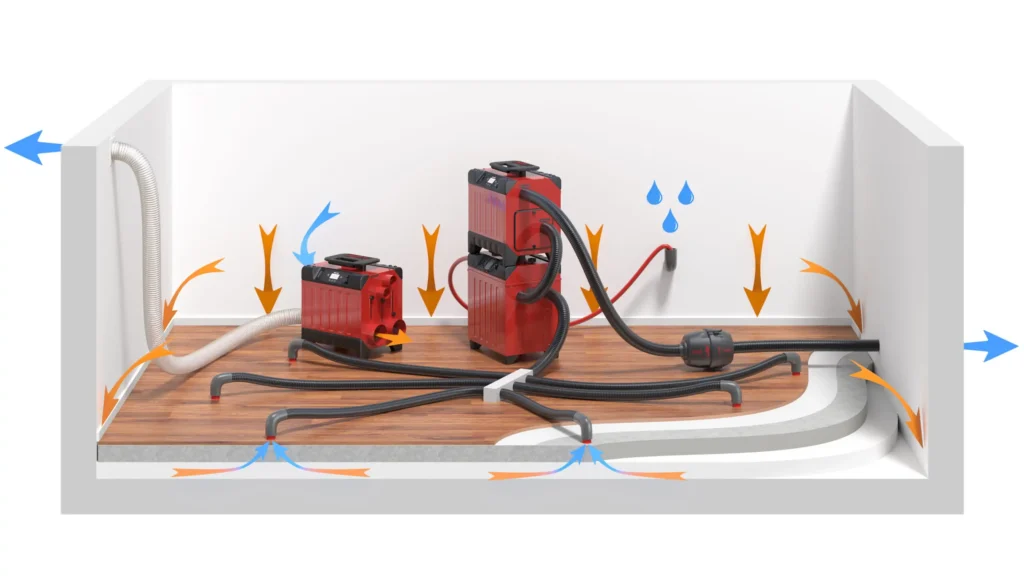
The suction drying technique is based on a dehumidifier drying the air in the room at the same time as a turbine creating a high negative pressure in the construction. The dry air in the room is sucked down, in and through the construction, via air gaps or drilled holes. The damp air is then sucked out of the construction via a water separator of 3-Step Filter type, before it exits the room through the turbine. A 3-Step Filter water separator is a very efficient way of removing water, dirt and dust using the same unit. It is used to clean the air and protect the turbine.
Pressure-drying Floors and Cavity Walls
Pressure drying is one of the most effective and fastest commercially available methods for drying layered structures. Pressure drying can be used to advantage for drying floors on concrete slabs, where the water has leaked down into the fill or insulation under the floating floor. Warm, dry air is forced through the wet construction, where the heat increases the vapour pressure in the damp material several times over and, in this way, increases the drying rate.
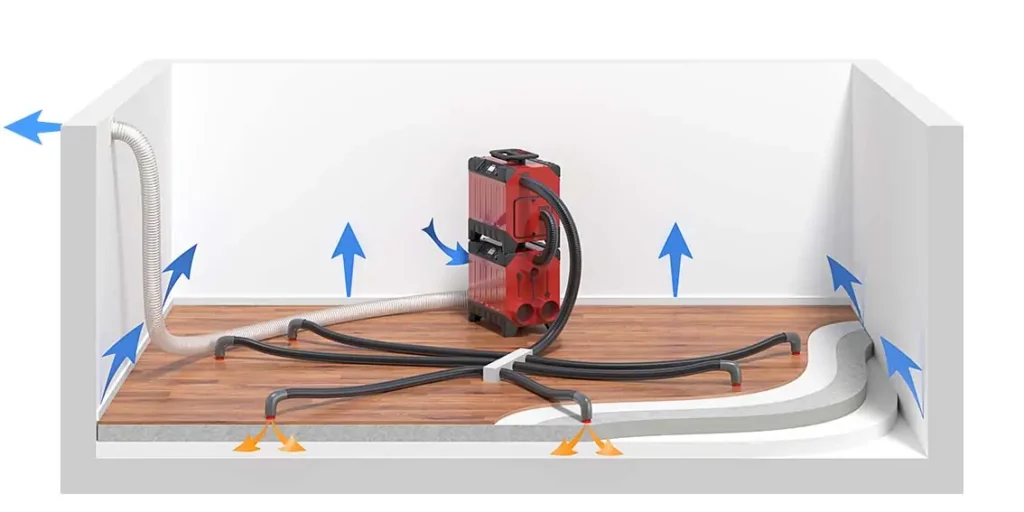
The damp air is returned to the room via natural openings, or holes drilled in the construction, where it is once again sucked into the dehumidifier and dried anew before it is forced back into the building construction.
When addressing the issue of drying a damp cavity void, it is essential to understand the underlying causes and effective methods for remediation. Cavity voids, often found in walls or floors, can accumulate moisture due to factors such as poor drainage, leaks, or high humidity levels. To properly assess and mitigate dampness in these areas, it is important to conduct a thorough inspection to identify the source of moisture. By using specialized drying equipment we can be effective in the drying process, by stopping leaks or fitting additional cavity air vents will prevent it from becoming damp again in the future.
Mould Growth After Water Damage,
If you are dealing with flood damage, prompt and effective drying is essential to prevent further structural damage and the growth of mould in affected areas. Our professional services focus on drying out flood-impacted spaces, utilising advanced equipment and techniques to eliminate moisture and restore your property to its pre-damage condition. Understanding that mould can develop quickly in damp environments, we prioritise thorough inspections and implement targeted measures to prevent mould growth in voids and other hidden areas.
For more information about our specialist target drying services, please get in touch with us to provide a comprehensive solution for your needs.
From wet walls to standing water in subfloor and cellars or wet cavity voids!

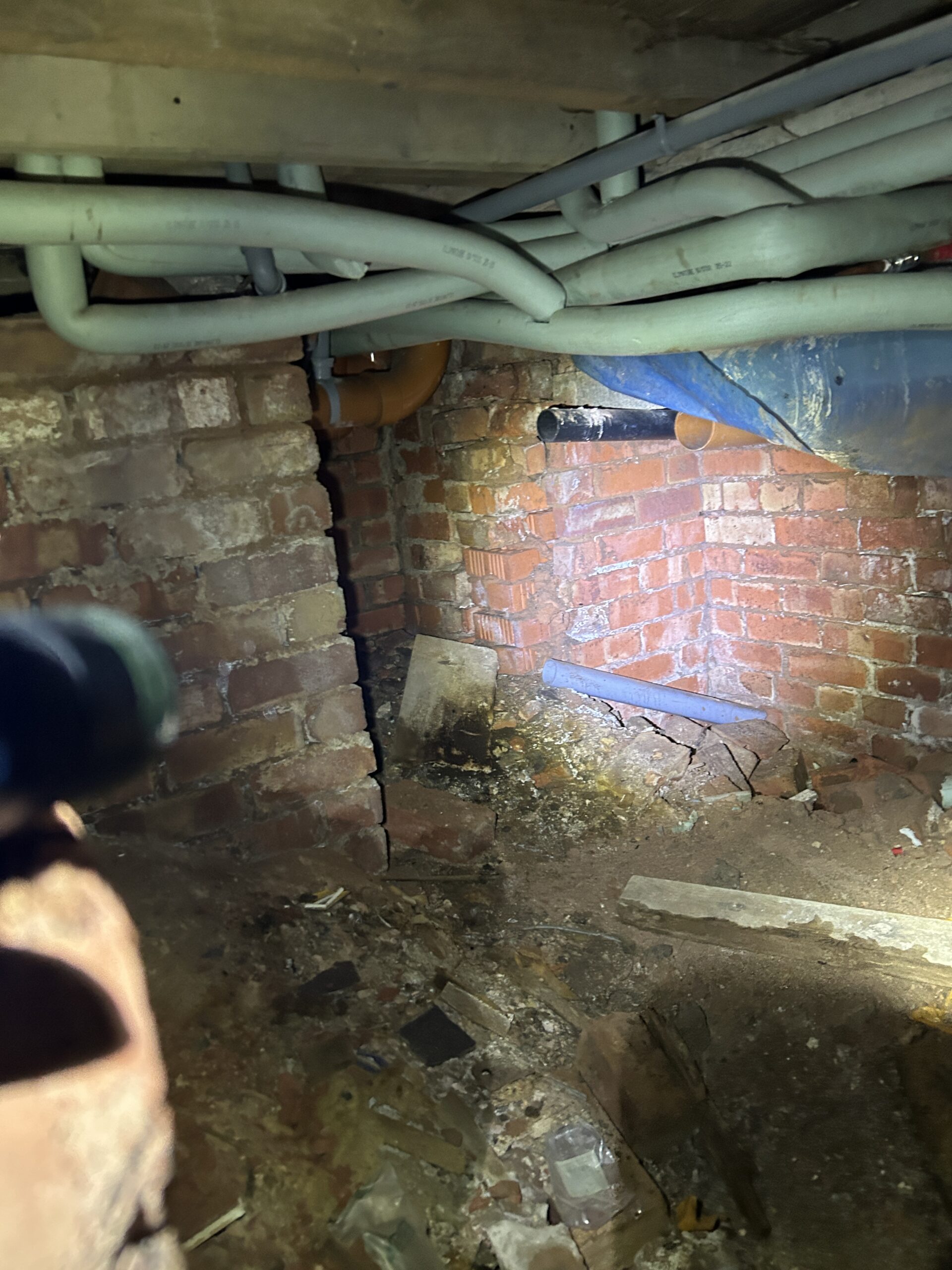
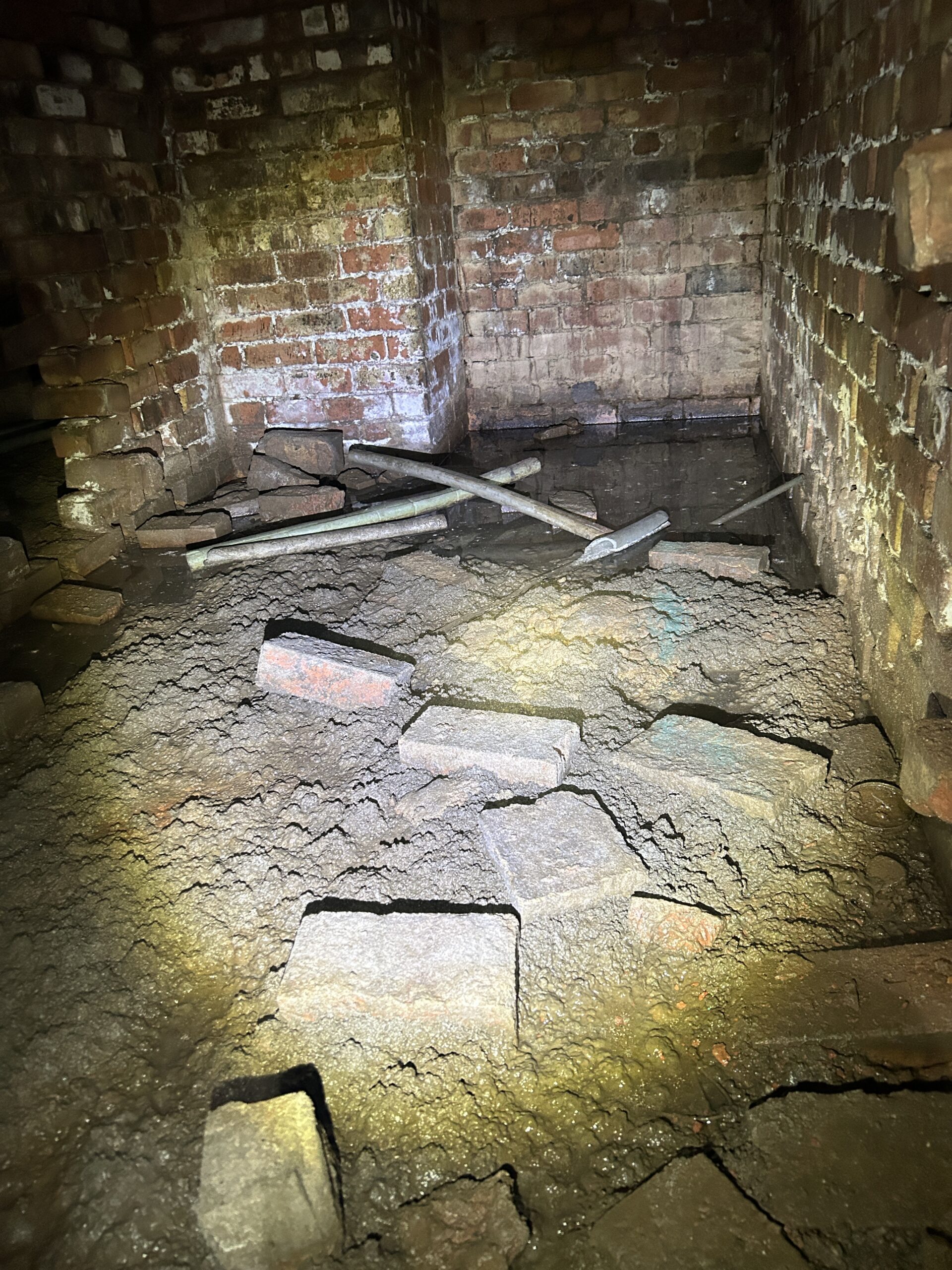


Target Drying under showers, kitchen cupboards or utility rooms:
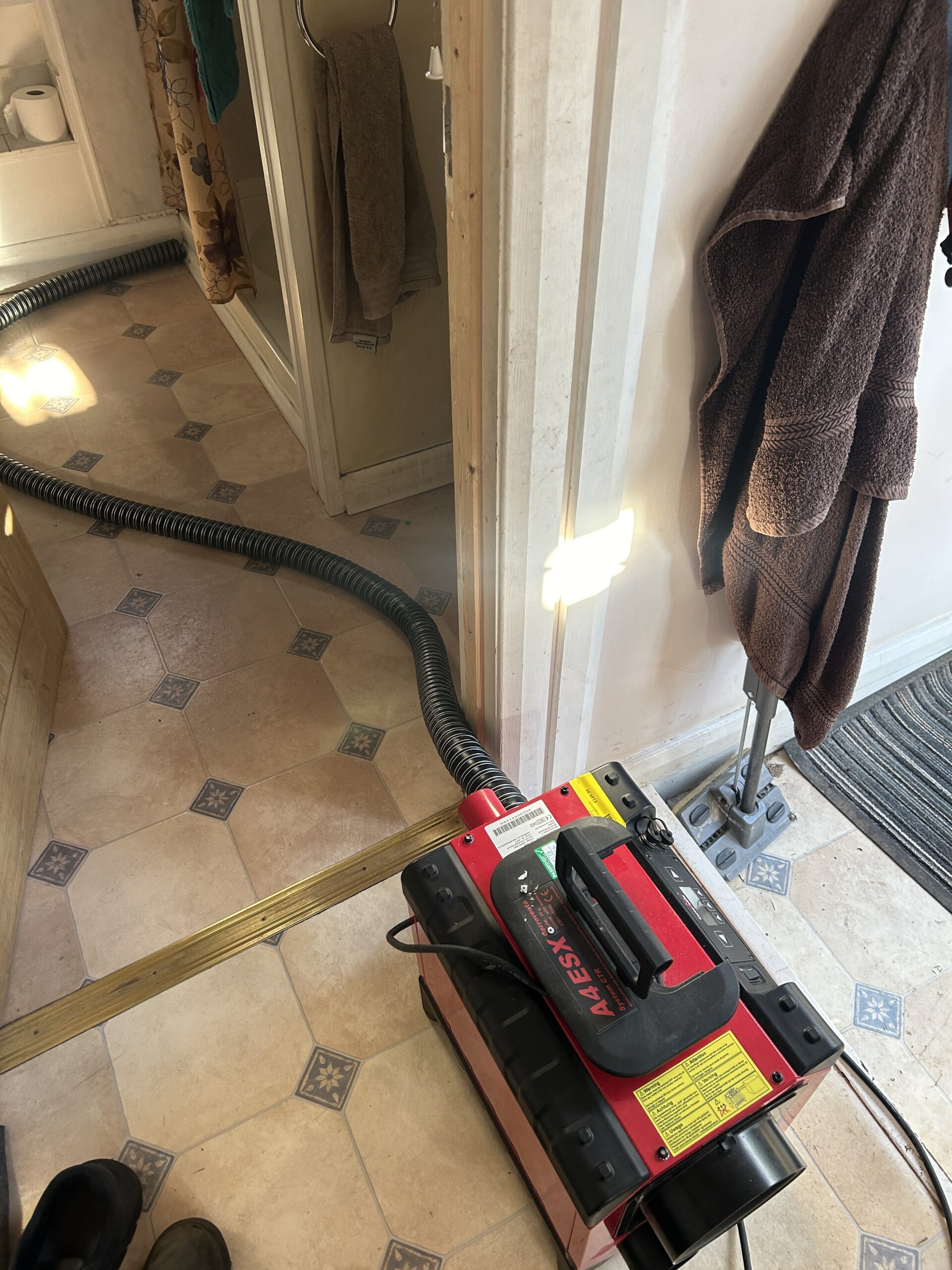
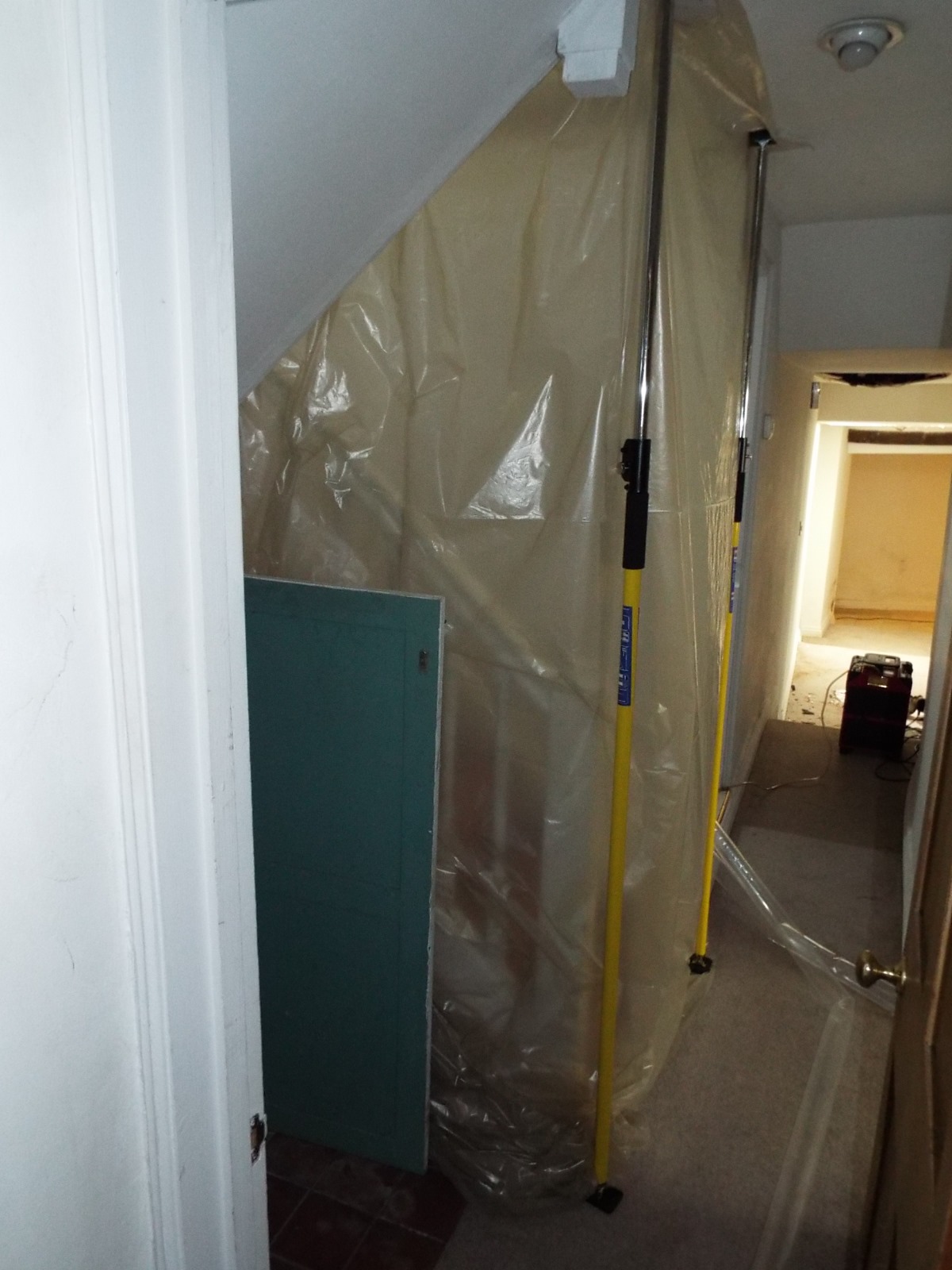
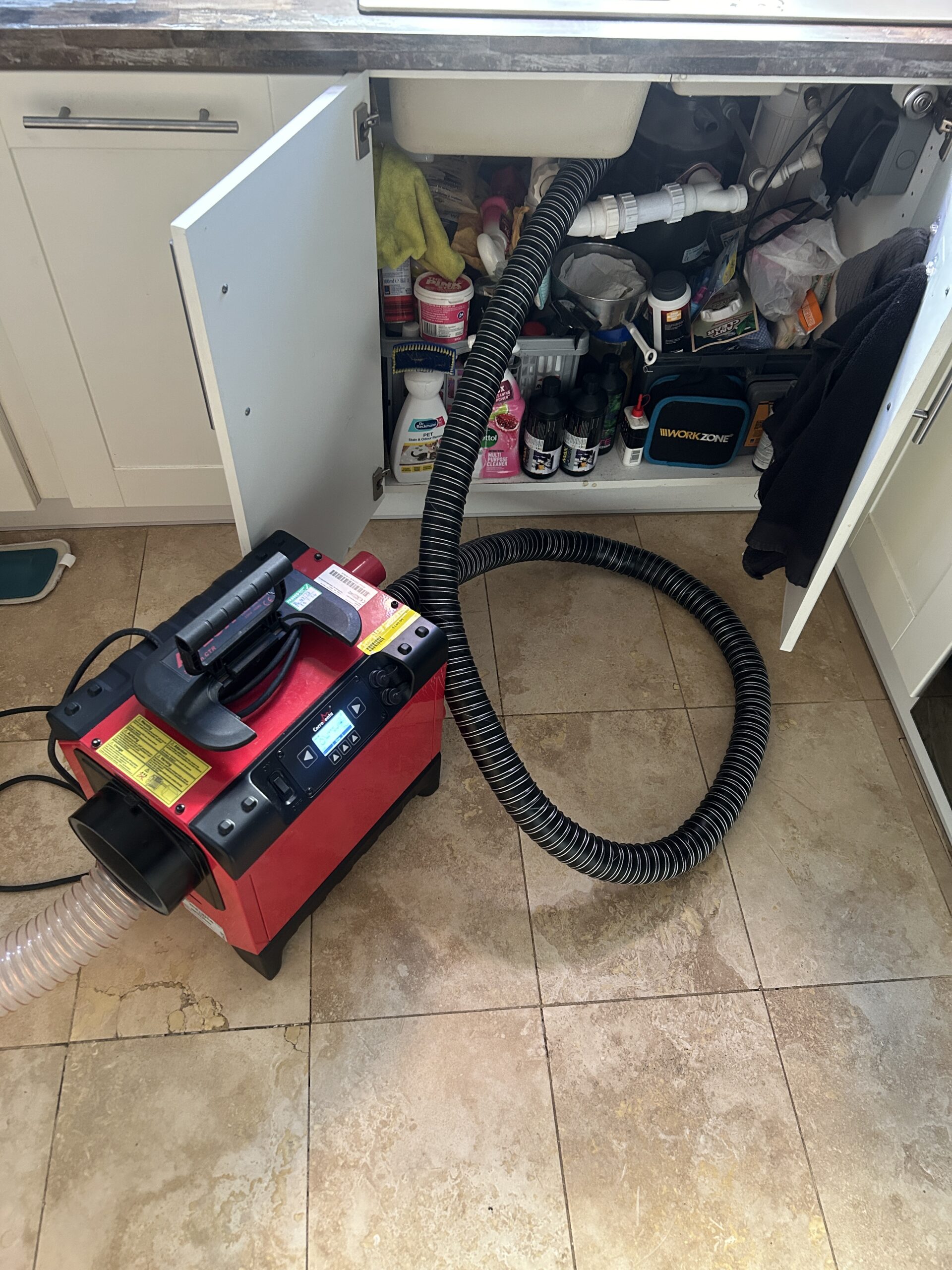
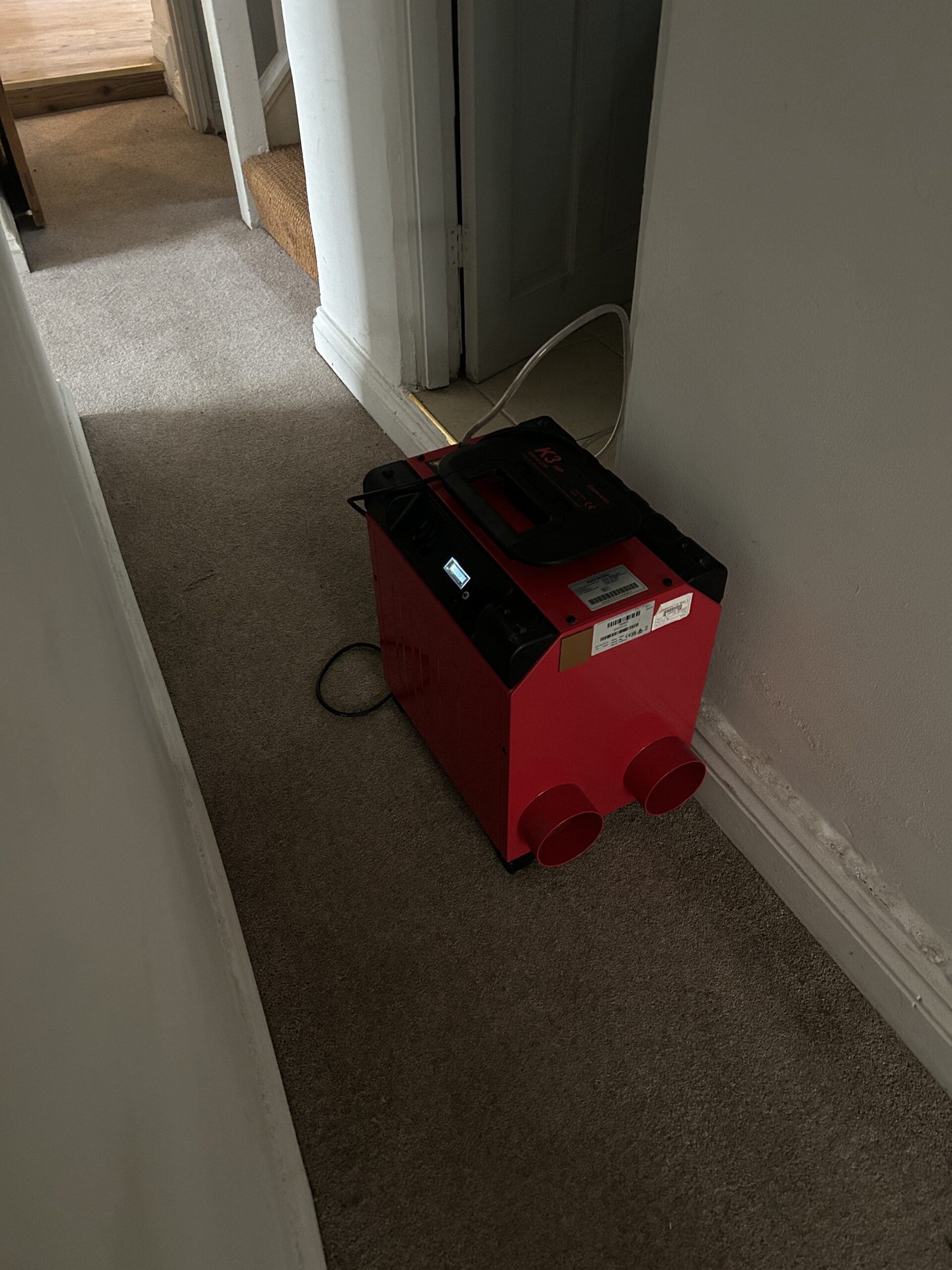
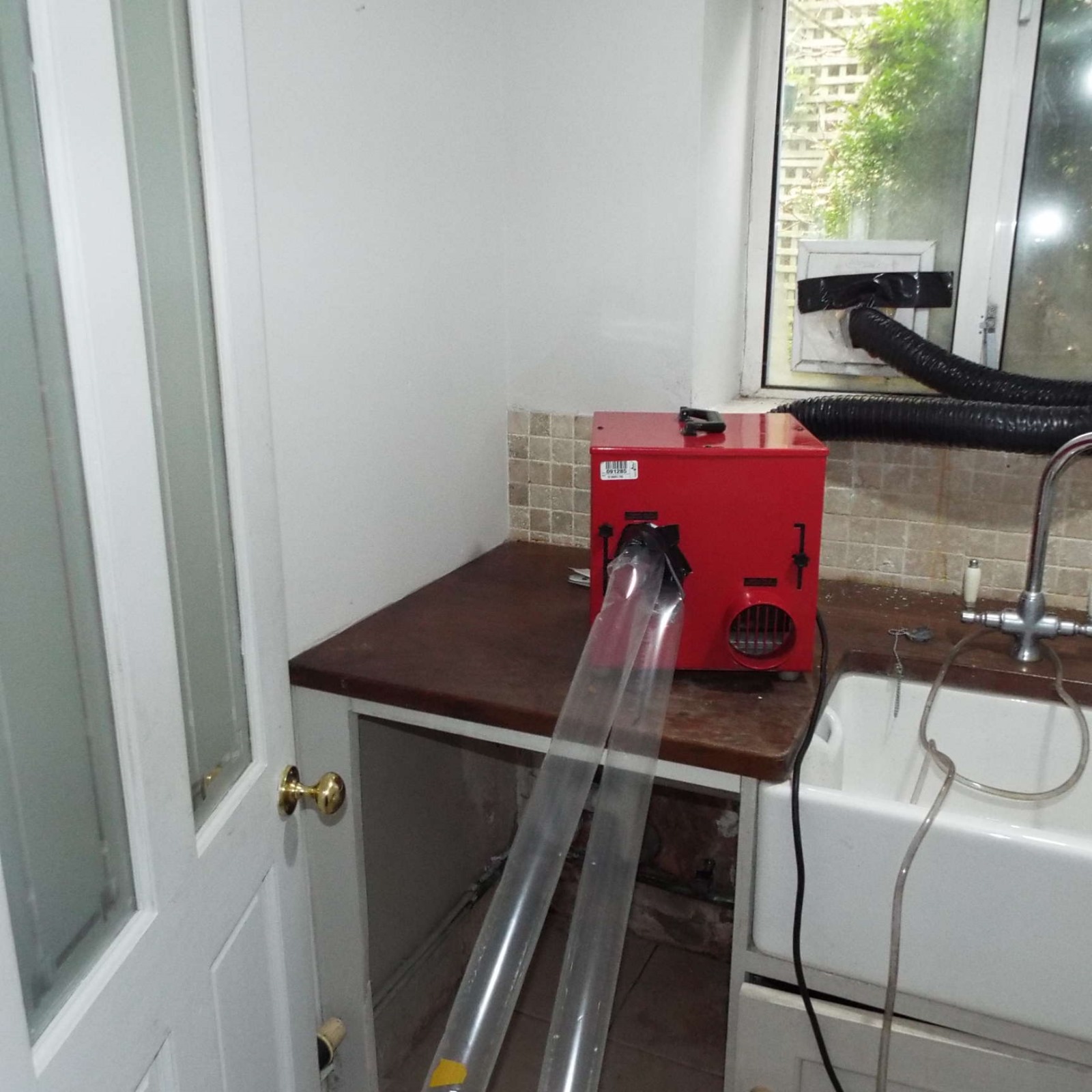
(Some illustrations and information provided have been taken directly from our equipment suppliers’ website CORROVENTA)
If you would like to use our specialist drying service please fill out the form below: